
EmailOctopus WordPress Integration: Setup and Best Workflows
How to connect EmailOctopus to WordPress using the official plugin, Elementor, Gravity Forms, WooCommerce connectors, Zapier, and the API.
Read articlePractical guidance for evaluating, buying, and using AI software.
How to connect EmailOctopus to WordPress using the official plugin, Elementor, Gravity Forms, WooCommerce connectors, Zapier, and the API.
Read articleHow EmailOctopus works with Shopify through Zapier, what workflows make sense, where it falls short, and when an ecommerce-first platform is better.
Read articleA practical EmailOctopus API guide covering API keys, contact sync, custom fields, automation triggers, custom forms, CORS, and when to use Zapier instead.
Read articleWhat EmailOctopus reports show, how to track link clicks, export activity, use Google Analytics UTMs, and where the reporting is limited.
Read articleHow to build a referral program around EmailOctopus using SparkLoop or Viral Loops, plus when referrals are worth adding and how the integration works.
Read articleHow authors can use EmailOctopus for reader magnets, newsletters, launch campaigns, segmentation, welcome sequences, and long-term reader relationships.
Read articleEmailOctopus for creators: free-plan value, newsletter workflows, forms, automation, referrals, limitations, and when Kit or beehiiv is a better fit.
Read articleEmailOctopus for small business: best workflows, free-plan value, current user feedback, automation, limitations, and when a heavier platform is worth it.
Read articleEmailOctopus free plan explained: 2,500 subscribers, 10,000 monthly sends, no time limit, what Starter includes, and when Pro is worth paying for.
Read articleHow EmailOctopus automation works in 2026, including triggers, conditions, actions, templates, multiple triggers, and practical automation examples.
Read articleLearn how EmailOctopus segmentation works with tags, custom fields, engagement, subscription source, all/any/none filters, and practical audience segments.
Read articleA practical guide to EmailOctopus landing pages and signup forms, including popups, slide-ins, hello bars, custom domains, source tracking, and when to use another tool.
Read articleCrowdReply pricing explained: Starter, Growth, Enterprise, prompt limits, monthly engagement credits, task costs, top-ups, rollover, free trial, and refund-policy conflicts.
Read articleUnderstand Relevance AI Actions and Vendor Credits, what counts as usage, current plan allowances, rollover rules, top-up prices, and how to estimate real workflow costs.
Read articleThe best Relevance AI integrations for sales, support, and operations, plus how native and Pipedream connections, triggers, Tool steps, permissions, and usage work.
Read article60sec.site starts at $9/month. This pricing guide compares Starter, Pro and Ultimate, the seven-day trial, annual discount, plan limits and which tier makes the most sense.
Read article60sec.site is built for speed and simplicity, which also creates tradeoffs. Here are the main limitations to check before using it for a long-term site, client work or a complex project.
Read article60sec.site offers a remote MCP server that lets compatible AI clients inspect and manage websites through chat. This guide covers setup, supported actions, access and limitations.
Read article60sec.site advertises 154+ templates across business, blogs, restaurants, portfolios, health, travel and more. Here is how the library works and when it is worth using.
Read articleEmailOctopus Starter is free and Pro starts at $9/month billed annually. See plan limits, subscriber counting, send limits, discounts, and hidden cost drivers.
Read articleRelevance AI is a strong AI Agent platform, but several limitations can affect which workflows you build, which plan you need, and how much maintenance the system requires. The main limitations to check before committing are: Workforce Agent communication is currently one-way. Pro to Team is a large pricing jump. Usage is split between Actions…
Read article
A practical breakdown of Relevance AI pricing, including actions, vendor credits, plan limits, top-ups, and which plan fits different teams.
Read article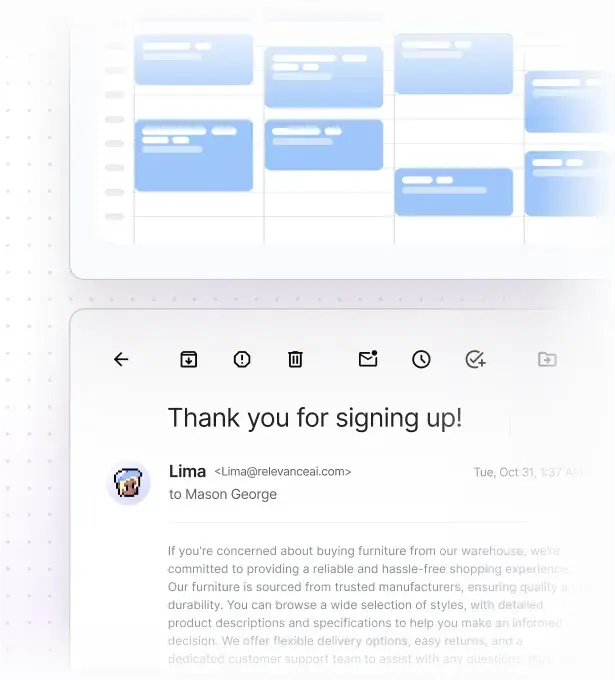
Relevance AI can automate the research, qualification, CRM work, scheduling, and follow-up around a sales conversation. Here are the workflows worth building first and the guardrails to add.
Read article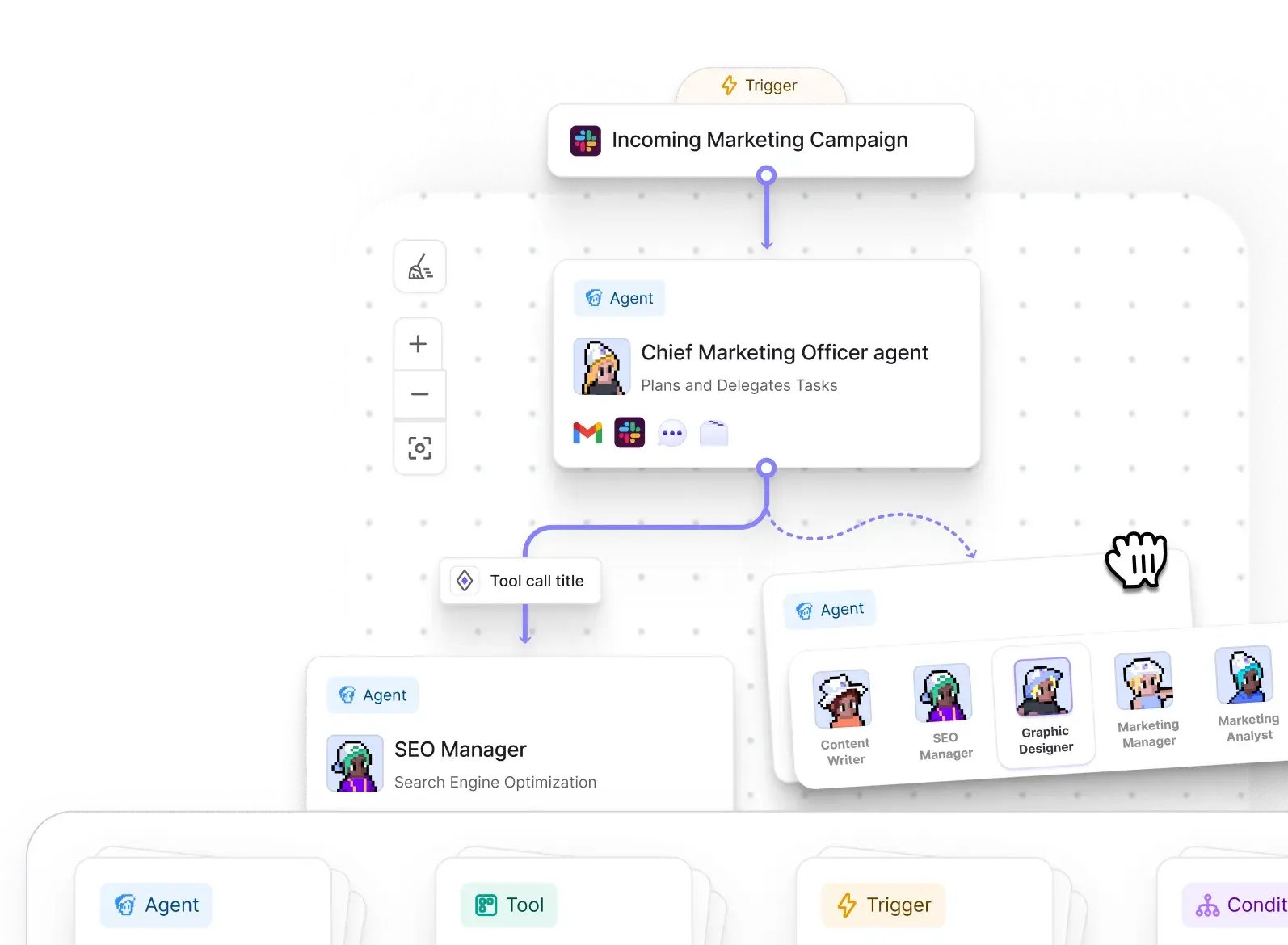
Relevance AI Workforces are useful when one business process needs several specialist AI Agents, different Tools, routing decisions, and approval boundaries. They let you put those pieces on one visual canvas and give each Agent a clearly defined role. Keep the workflow as one Agent when one Agent can complete the job reliably with a…
Read article